How to Sell and Buy a Home in Kennewick Smoothly
May 21, 2026
May 21, 2026
Trying to sell your current home while buying your next one can feel like you are solving two big puzzles at the same time. In Kennewick, where homes are generally priced in the low-to-mid $400,000s and market time often stretches around two to three months, timing matters but so does patience. If you want to move without creating extra financial stress, the key is to build a plan around cash flow, contingencies, and realistic closing dates. Let’s dive in.
Kennewick is not a market where every home sells overnight, but it is also not slow enough to assume you have endless time. Well-priced homes can still attract strong interest, which means you need to be ready to act whether you are listing, buying, or doing both at once.
That middle-ground market can actually work in your favor. You may have a little breathing room to prepare your current home and search for the next one, but you still need a strategy that protects your equity and keeps your move on track.
Before you look at homes or set a listing date, get clear on what your move will cost. If your next purchase depends on equity from your current home, your net proceeds are one of the most important numbers in the entire plan.
In Washington, seller costs can include real estate excise tax, which is usually paid by the seller. Property taxes and other closing expenses can also affect how much money you have available for your next down payment, closing costs, moving expenses, and any overlap between homes.
Buyers should also remember that closing costs typically run about 2% to 5% of the purchase price, not including the down payment. On top of that, many lenders require prepaid funds at closing for items like homeowners insurance and property taxes.
For many households, this is the lowest-risk option. You sell your current home first, learn your exact net proceeds, and then shop for the next home with a much clearer budget.
This path can reduce financial pressure because you are not trying to carry two housing payments for long. The downside is that you may need a short-term plan if your sale closes before your next home is ready.
Some buyers choose to purchase first by using financing support such as a bridge loan, HELOC, or home equity loan. These tools can help you move quickly if the right home comes up before your current property sells.
Still, this approach carries more risk. If you go this route, you need to be confident you can handle the extra debt and possible payment overlap if your current home does not sell as fast as hoped.
Another option is to line up the sale and purchase as closely as possible. In some cases, sellers may even be able to pre-sign certain closing documents, which can help with timing.
This sounds ideal, but it should be approached carefully. Even when dates look aligned on paper, inspection issues, financing delays, walk-through concerns, or closing document problems can still shift the schedule.
This is the stage where good planning pays off. Review your credit, watch your spending, and avoid taking on new loans or making large credit card purchases if you expect to finance the next home.
It is also smart to compare at least three loan estimates if you will be getting a mortgage. At the same time, start preparing your current home so you are not scrambling once it hits the market.
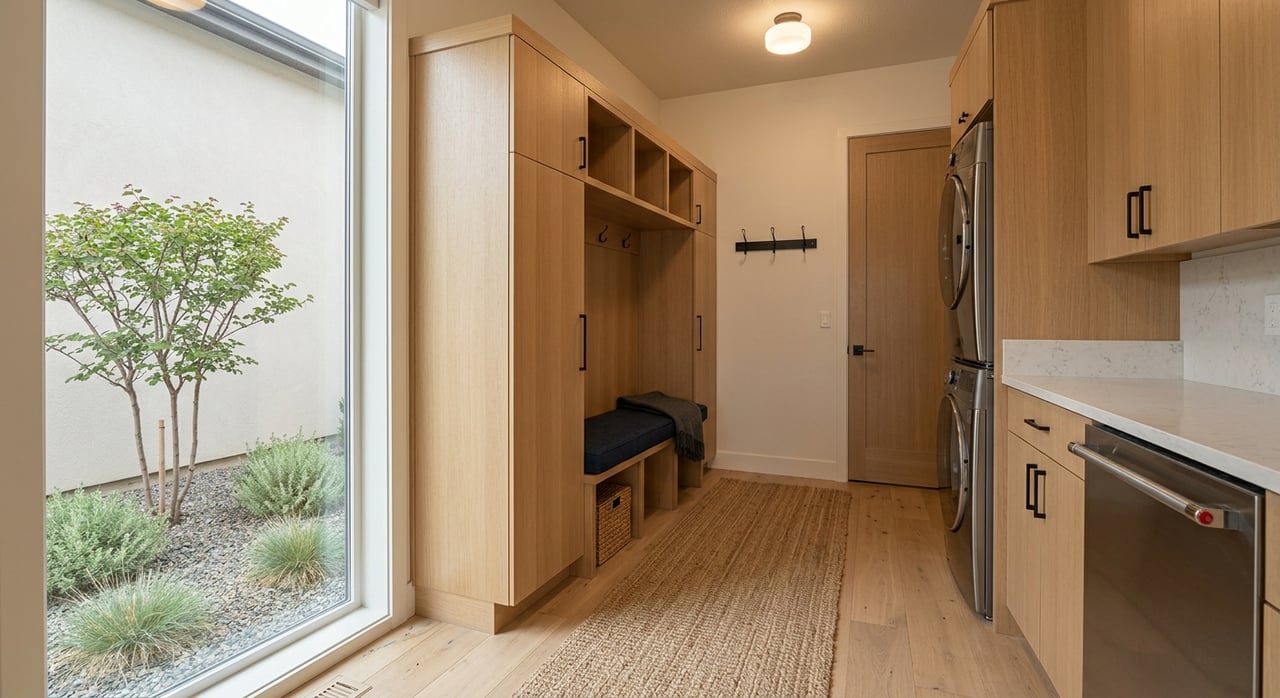
For many sellers, this is where presentation can make a real difference. A thoughtful plan for decluttering, staging, and space planning can help your home show well and support stronger buyer interest from day one.
After your home goes live, your focus shifts to response time and flexibility. If a strong offer comes in, you will need to evaluate not just price, but also contingencies, closing dates, and how the contract fits your next move.
This is also the stage where you should stay active on the buy side if you plan to move quickly. A balanced market can still reward prepared buyers who know what they want and are ready to write a clean, well-supported offer.
This is often the most delicate part of a buy-sell move. Purchase offers and sales contracts should be contingent on financing and a satisfactory inspection, and inspections should be scheduled as early as possible.
If an inspection turns up a major issue or financing slows down, the ripple effect can hit both transactions. That is why communication, contingency planning, and realistic expectations matter so much here.
The last few days are busy for a reason. Buyers typically complete a final walk-through about 24 hours before closing to confirm the home is vacant, or otherwise in the agreed condition, and that agreed repairs have been handled.
At the same time, the settlement agent is handling the legal transfer of title and ownership. If paperwork, move-out timing, or property condition is not ready, even a carefully planned closing can get delayed.
In Washington, most residential sales require a seller disclosure statement. State law says it must be delivered no later than five business days after mutual acceptance unless the parties agree otherwise.
The buyer then has three business days to accept or rescind, unless that right is waived in writing. For you as a seller, that means it is wise to organize property details and condition information early rather than after your home is already under contract.
Washington real estate excise tax can reduce your final net proceeds, and it is due on the date of sale. If you are relying on sale proceeds for the next purchase, this cost needs to be part of your planning from the start.
A small miscalculation can affect your down payment, reserves, or how much room you have for closing costs and moving expenses. Knowing your likely numbers in advance helps you make better decisions when it is time to offer on the next home.
A rent-back can create breathing room if your sale closes before your next purchase. It allows you to stay in the home for a specified period after closing, which can ease the moving timeline.
But it is important to think of rent-back as a timing tool, not a source of funds. It cannot be treated as money available for your down payment, closing costs, or reserves.
One of the biggest mistakes in a same-time move is assuming all available money can go into the next purchase. In reality, you may also need liquid cash for earnest money, inspections, movers, repairs, prepaid costs, and short-term overlap.
Earnest money usually goes into escrow and may later be applied to your down payment or closing costs. Even so, you still need to be prepared for multiple upfront expenses to hit before everything settles out at closing.
If you want to sell and buy at once in Kennewick, focus on the pieces you can control first. That usually means your budget, your home prep, your financing readiness, and your backup plan if dates do not line up perfectly.
A calm, organized strategy often works better than chasing a same-day move that leaves no room for delays. In a market like Kennewick, the goal is not perfect timing. It is creating enough flexibility to protect your equity and reduce stress.
When you have the right guidance, this kind of transition becomes much more manageable. If you are thinking about making a move in Kennewick, Caroline Couture can help you build a plan that fits your timeline, your home, and your next chapter.
Stay up to date on the latest real estate trends.






We bring together a mix of integrity, imagination and an inexhaustible work ethic, striving to make each buying and selling experience the best possible. Contact us today to discuss all your real estate needs!