Life On The River: What It’s Like To Live In Richland
April 9, 2026
April 9, 2026
If you picture life in Richland as all desert and drive time, you may be surprised by what daily life actually feels like. This is a river city, and that shapes everything from where you walk after dinner to how you spend a Saturday morning. If you are thinking about moving to Richland, this guide will help you understand the pace, lifestyle, housing mix, and everyday rhythm that make the city stand out. Let’s dive in.
Richland blends a manageable city size with strong access to the outdoors. The city’s population was estimated at 64,372 as of July 1, 2024, and the average commute to work is just 20.4 minutes, according to the U.S. Census Bureau QuickFacts for Richland. That often translates into a lifestyle where you can get where you need to go without spending a large part of your day in the car.
The setting also gives Richland a distinct identity. City materials describe Richland as nestled between the Yakima and Columbia rivers, with landscapes ranging from arid shrub-steppe to marshlands. Add in just 7.29 inches of annual precipitation and an annual mean temperature of 53.6°F from NOAA normals referenced in the research, and it makes sense that outdoor living plays such a big role here.
One of the biggest draws of Richland is how easy it is to build the river into your daily routine. Howard Amon Park sits right on the Columbia River and anchors a 7-mile Riverfront Trail that connects into the 23-mile Sacajawea Heritage Trail. For many residents, that means morning walks, bike rides, river views, and easy access to open space without needing to plan a full day around it.
The riverfront experience does not stop there. The city also highlights the 3.25-mile Urban Greenbelt Trail, the Rivershore Trail, Keene Trail Way, and a GIS trail map that includes more than 170 miles of trails and bike paths. Richland also has more than 60 parks, so outdoor options reach well beyond one waterfront strip.
If you enjoy water access, that is part of the appeal too. The city notes that kayak and paddleboard rentals are available near Howard Amon Park and Richland Wye Park, while Leslie Groves Park in North Richland also runs along the river. In real life, that means your weekends can be as active or as relaxed as you want them to be.
Richland’s climate and layout support a lifestyle that feels active without feeling rushed. Because the city is relatively easy to navigate, outdoor recreation often fits into a normal weekday instead of being reserved only for weekends. A trail walk before work or a riverfront stop after dinner can be part of your regular schedule.
That is an important quality for many buyers. You are not just choosing a home here. You are often choosing a way of living that includes open skies, paved trails, public parks, and quick access to the Columbia River.
If the river gives Richland its scenery, the Parkway and Uptown areas give it social life. According to the city’s Explore Richland page, the downtown Parkway business district is known for unique lunch and dinner options along with small local retail businesses. It is one of the clearest examples of a walkable, gathering-oriented part of town.
Uptown adds another layer. City arts materials point to the Richland Public Library, Richland Parkway, Howard Amon Park, and Uptown as places where public art is woven into the cityscape. That gives central Richland a lived-in, community feel rather than a purely functional one.
The same city sources also mention the Market at the Parkway, monthly Uptown art walks, and a mix of restaurants, breweries, wine bars, bakeries, shopping, and ice cream. If you value places where you can meet friends, browse local businesses, or spend an easy evening out, this part of Richland tends to be a big lifestyle advantage.
Richland’s calendar is especially active in the warmer months, and many events center on downtown, parks, and the riverfront. The city’s signature events page highlights events such as the Richland Farmers’ Market, Live@5 concerts, Cool Desert Nights, Party in the Park, outdoor movies, Art in the Park, Tumbleweed Music Fest, Sausage Fest, and IRONMAN 70.3 Washington Tri-Cities.
For you as a potential resident, that matters because it points to a city with recurring community touchpoints. Instead of feeling like a place where you simply live and commute, Richland offers regular chances to get out, explore, and feel part of the local rhythm.
Richland tends to appeal to people who want convenience without a major-metro pace. Driving is common, but transportation options are broader than some buyers expect. Ben Franklin Transit serves Richland with fixed-route buses, demand-response service, and BFT CONNECT, an on-demand rideshare option.
The agency notes that Routes 1, 3, and 2X run at 15-minute intervals or less for most of the day. Route 2X connects Richland’s Knight Street Transit Center with Pasco’s 22nd Avenue Transit Center, and Route 240X connects Richland with East Kennewick. Along with the city’s shared-streets and neighborhood traffic safety programs, this supports a lifestyle that can work for drivers, walkers, cyclists, and some transit users.
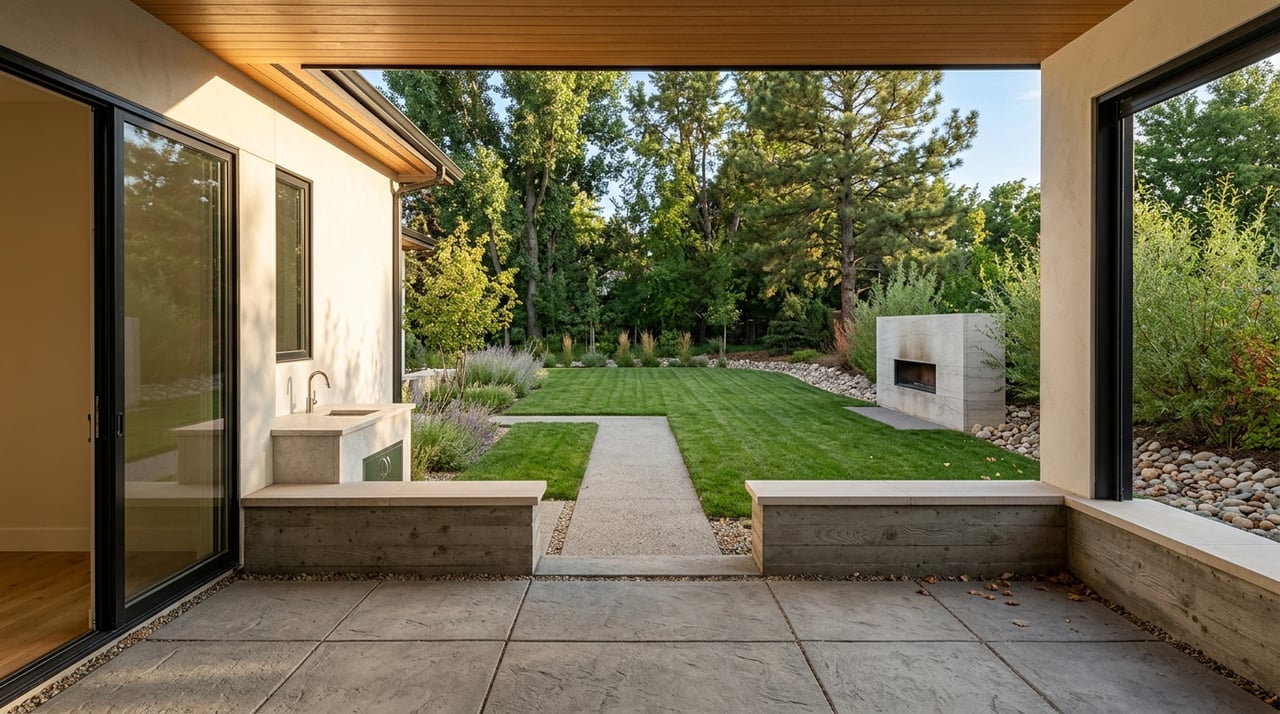
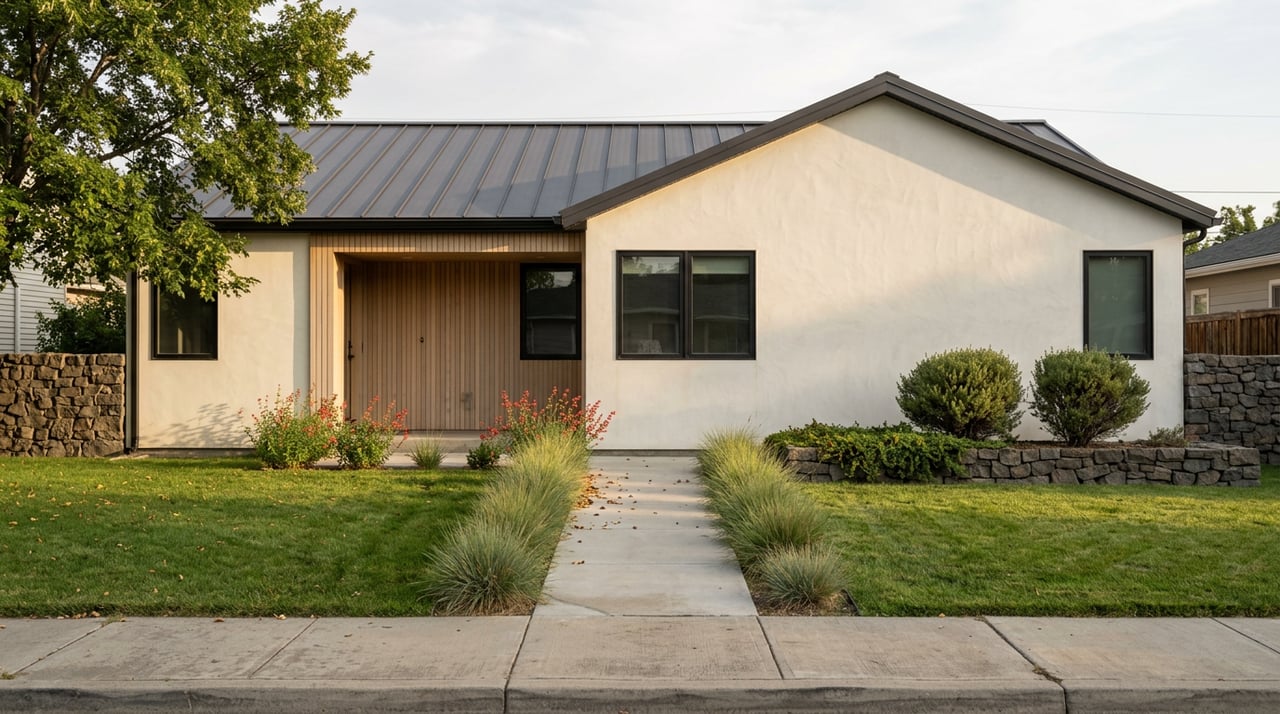
One of the most useful things to know before moving to Richland is that it does not offer just one housing style. The city includes older central areas with historic character, river-adjacent neighborhoods, established residential sections, and newer growth areas. That variety can be helpful if you are trying to match a home to a specific stage of life.
The Census Bureau QuickFacts reports a 64.4% owner-occupied housing rate, a median owner-occupied home value of $436,700, and a median gross rent of $1,468. Those numbers suggest a market with a strong ownership base, while still offering options for renters and relocators who may want flexibility first.
City history materials point to the Gold Coast District as a World War II-era temporary housing development with unique floor plans, and Richland maintains a catalog of historical homes. On the other end of the spectrum, planning materials show major newer growth in places like South Richland, including Badger Mountain South, a 1,480-acre master-planned community intended for 5,000 homes.
Here is a simple way to think about Richland’s main lifestyle patterns:
| Area | General Lifestyle Feel |
|---|---|
| Central Richland / Uptown / Parkway | Walkable core with dining, arts, events, and nearby historic character |
| Riverfront areas | Easy access to trails, parks, and Columbia River views |
| South Richland | Newer suburban growth and planned-community feel |
| North Richland / Columbia Point / Horn Rapids / Meadow Springs | Mix of established and newer residential areas with access to city systems and outdoor amenities |
This kind of range is one reason Richland attracts different kinds of buyers. You may be looking for a first home with good everyday convenience, a move-up property with more room, or a lower-maintenance option that supports a new chapter. Richland gives you more than one path.
For people moving from outside the Tri-Cities, Richland often strikes a useful balance. It offers a strong local identity, a skilled resident base, and a work-and-recreation feel that many buyers find appealing. Census figures in the research report show a median household income of $95,813, bachelor’s degree attainment of 46.6%, and poverty at 9.0%.
Those figures do not tell the whole story, but they do help explain why Richland often feels stable, established, and practical. It is a place where many people are balancing professional life with outdoor access, homeownership goals, and long-term plans.
Richland can work well for several types of buyers and sellers.
The key is not finding the “best” part of Richland in a one-size-fits-all sense. It is finding the area and home style that fit how you want to live.
Before you make a move to Richland, it helps to think through your daily priorities.
Ask yourself:
These questions can quickly narrow your search and make your home decisions feel more intentional.
What stands out about Richland is not just one feature. It is the combination of river access, trails, parks, local gathering spots, manageable commutes, and a housing mix that serves different goals. For many people, that creates a lifestyle that feels both active and comfortable.
If you are thinking about buying or selling in Richland, having local guidance matters, especially when you are comparing neighborhoods, weighing lifestyle fit, or planning a transition. Caroline Couture offers calm, thoughtful support for buyers, sellers, and relocators across Richland and the Tri-Cities, with a strong eye for presentation, space planning, and what makes a home feel right for your next chapter.
Stay up to date on the latest real estate trends.
We bring together a mix of integrity, imagination and an inexhaustible work ethic, striving to make each buying and selling experience the best possible. Contact us today to discuss all your real estate needs!